Loading...
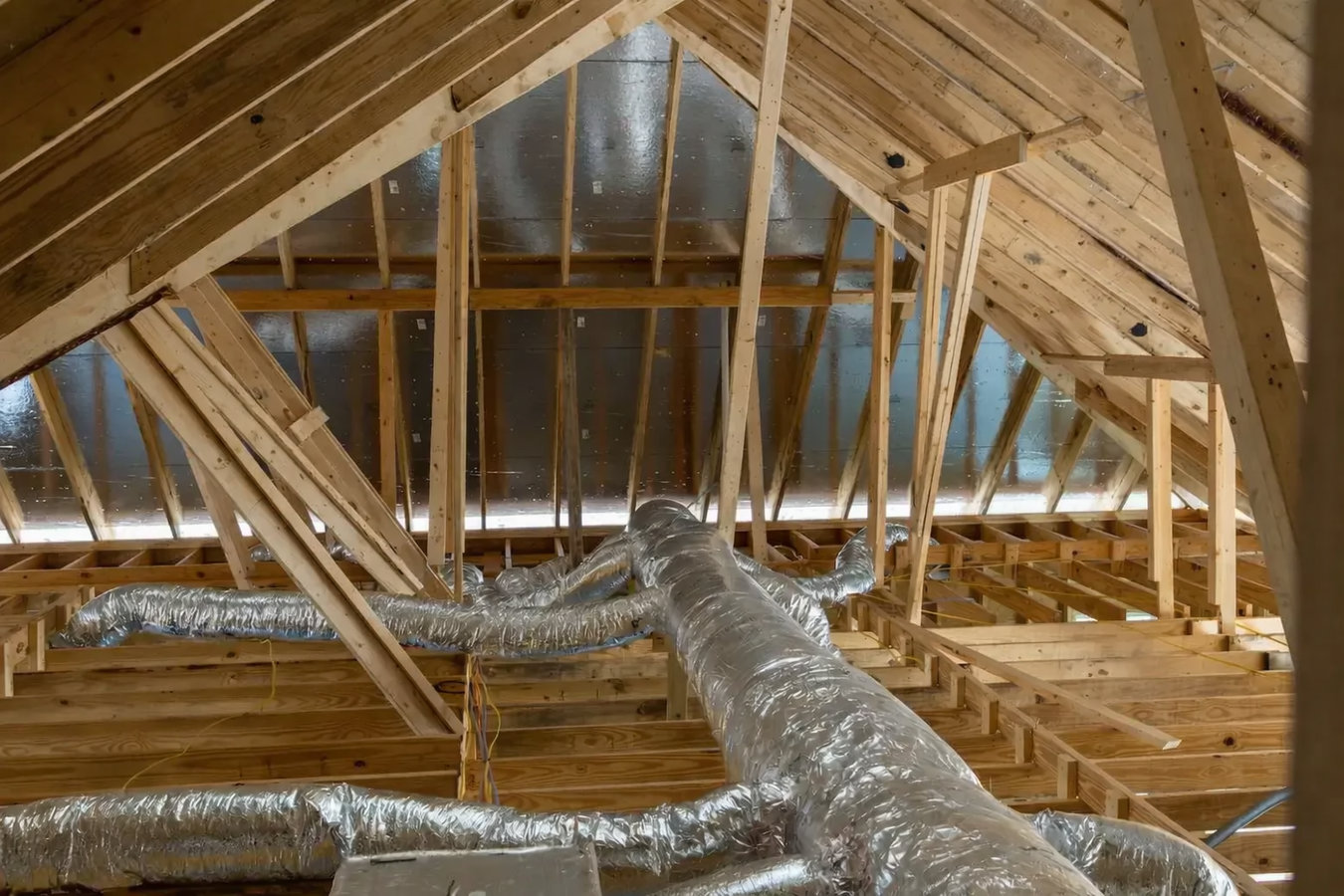
Your attic floor is full of hidden gaps pushing hot air into your living space all summer. We find them with diagnostic testing and seal every one before they cost you another season.
Attic air sealing in Wichita Falls means finding and plugging the gaps in your attic floor that let conditioned air escape and outside air push in - most jobs are completed in a single day without disrupting the rest of your home. The work targets the spaces around recessed lights, plumbing pipes, electrical penetrations, the tops of interior walls, and the attic hatch itself, all of which are common leak points in older construction.
Many homeowners assume that adding more insulation is the fix for high cooling bills, but insulation slows heat transfer without stopping air movement. If the gaps underneath are still open, conditioned air escapes through them regardless of how thick the insulation layer is. Attic air sealing closes the actual pathways, so your insulation can do its job on a sealed surface. For homes where the attic is only part of the problem, our full air sealing services address leaks throughout the entire building envelope.
The ENERGY STAR Seal and Insulate program identifies the attic as the single biggest contributor to whole-home air leakage in most houses, which is why starting there delivers the most noticeable improvement for the least disruption.
If rooms directly below the attic are noticeably harder to cool than the rest of your home, heat is moving through your attic floor into your living space. In Wichita Falls summers, where attic temperatures can exceed 140 degrees, even small gaps act like open vents pushing hot air downward. Your air conditioner is working harder than it should, and you are paying for it every month.
Drafts that seem to come from the ceiling or from the tops of interior walls are a classic sign of air leaking through the attic floor. Hold your hand near a recessed light fixture in the ceiling. If you feel air movement, that fixture is almost certainly not sealed. This is especially noticeable in winter when cold air settles down from an unsealed attic space.
The Wichita Falls area is prone to dust and wind events, and if outside air is infiltrating your home through attic gaps, it brings that dust with it. If you find yourself cleaning the same surfaces repeatedly and the dust seems to come from nowhere, air infiltration from above is a likely source. This is especially common in older homes where gaps around ceiling fixtures have never been addressed.
Some homeowners have had insulation added over the years but never had the underlying gaps sealed first. Insulation slows heat transfer but does not stop air movement. If the gaps are still open underneath, the insulation is doing only part of its job. If a previous contractor added insulation and you did not see the expected improvement, air sealing is likely the missing piece.
Every attic air sealing project we take on starts with a diagnostic assessment, not a guess. We use a blower door test to measure how much air your home is leaking before any work begins. That baseline number tells us where the biggest leaks are and gives you a reference point for evaluating the results afterward. Contractors who skip the diagnostic step and go straight to spraying foam are making educated guesses about where the problems are.
The sealing itself uses a combination of foam and caulk applied systematically around every penetration in the attic floor: recessed lights, plumbing stacks, electrical chases, the tops of interior walls, and the attic hatch. We work carefully around existing insulation, replacing it after sealing so your current insulation investment is preserved. For homeowners who want to address the whole-home picture, we offer full air sealing services that extend the same diagnostic approach to the foundation level and wall penetrations. For homes where the crawl space also needs attention, a crawl space vapor barrier pairs well with attic sealing to address moisture and air infiltration from both directions.
After the work is complete, we run the blower door test again so you have a real before-and-after comparison. You receive written documentation of the results, which you can use to support a federal tax credit claim or a utility rebate application if either applies to your project.
Any home where the owner wants measurable confirmation of leakage before and after work is done, rather than a visual-only estimate.
Homes with recessed lights, plumbing chases, and electrical penetrations in the ceiling that have never been addressed.
Older Wichita Falls homes where the gap between interior wall framing and the attic floor is a significant and often overlooked air pathway.
Any home with an uninsulated or unsealed attic hatch, which is one of the most common and easily corrected sources of attic air leakage.
Wichita Falls regularly sees summer temperatures above 100 degrees, and the city sits in a climate zone where cooling accounts for the largest share of annual energy bills. When your attic reaches 140 degrees or more on a July afternoon, every gap in your attic floor is pumping that heat directly into your living space. Sealing those gaps is one of the most direct ways to keep your air conditioner from running constantly and to keep your electric bill from spiking every summer.
A significant portion of homes in Wichita Falls were built in the 1950s through 1980s, decades before modern energy codes required any attention to air sealing. Homes from that era were built to breathe, which sounded fine at the time but means they are full of gaps that have never been addressed. Homeowners in areas like Wichita Falls proper and communities served to the south like Denton consistently find that attic air sealing delivers the fastest return of any energy improvement they can make to an older home.
Wichita Falls also sits in a region known for strong, sustained winds coming off the southern Great Plains. Wind pressure forces outside air through every crack and gap in your home's envelope, which means even small leaks become significant during a windy day. Homeowners in outlying areas like Gainesville often report noticing the difference in dust infiltration and draft complaints after attic sealing is complete, because the wind no longer has a clear pathway in. For qualifying projects, Oncor energy efficiency programs may offer rebates in addition to the available federal tax credit - ask us during your estimate about current program availability.
We reply within one business day. A few basic questions help us understand what your home needs and how long the job will likely take. There is no obligation and no sales pitch attached to the first conversation.
We run a blower door test to measure your home's current air leakage rate, then inspect the attic to identify where the biggest gaps are. You receive a written estimate with a clear scope of work before we schedule anything. You can stay home for the whole visit.
The crew accesses your attic, carefully moves or lifts existing insulation, and seals every penetration systematically using foam and caulk. The work is quiet and contained. Most Wichita Falls homes are completed in a single day.
After sealing, we run the blower door test again so you have a before-and-after comparison in real numbers. You receive written documentation of the work and the results, which supports any tax credit or rebate claim you plan to make.
Free written estimate with diagnostic testing. We reply within one business day. No obligation.
(940) 298-1772We run a blower door diagnostic before we start and again after we finish, so you have a real number showing the improvement, not just our word for it. A contractor who skips this step is asking you to take the outcome on faith. We think that is not good enough.
Every job starts with a free written estimate and ends with written documentation of the scope and results. That record protects you if a question comes up during a home sale, insurance claim, or tax filing, and our crews are experienced with Wichita Falls attics.
A large share of the homes we seal were built between the 1950s and 1980s. We know where the top-plate gaps are, how the older ceiling fixtures are constructed, and what the attic conditions in this part of North Texas typically look like. That familiarity speeds up the work and improves the results.
The federal Inflation Reduction Act tax credit for air sealing requires contractor documentation to claim. We provide everything you need before we leave. We are also familiar with Oncor's current energy efficiency program requirements and can tell you during the estimate whether your project is likely to qualify.
Attic air sealing is one of the few home improvements where the results are measurable from start to finish. We do that measurement on every job because it keeps us honest and gives you something concrete to show for what you spent. That is how we prefer to work, and it is what separates a thorough job from a spray-and-go.
For information on the federal tax credit for energy efficiency improvements, see the IRS Energy Efficient Home Improvement Credit page. For diagnostic standards, see the Building Performance Institute (BPI).
Complete the moisture control picture below the house while the attic is being sealed above, addressing both pathways at once.
Learn moreWhole-home air sealing goes beyond the attic to close leaks at the foundation, walls, and penetrations throughout the building envelope.
Learn moreEvery month without a sealed attic is another month of paying to cool air that escapes before it reaches you. Call us or submit a request and we will reply within one business day.