
Loading...
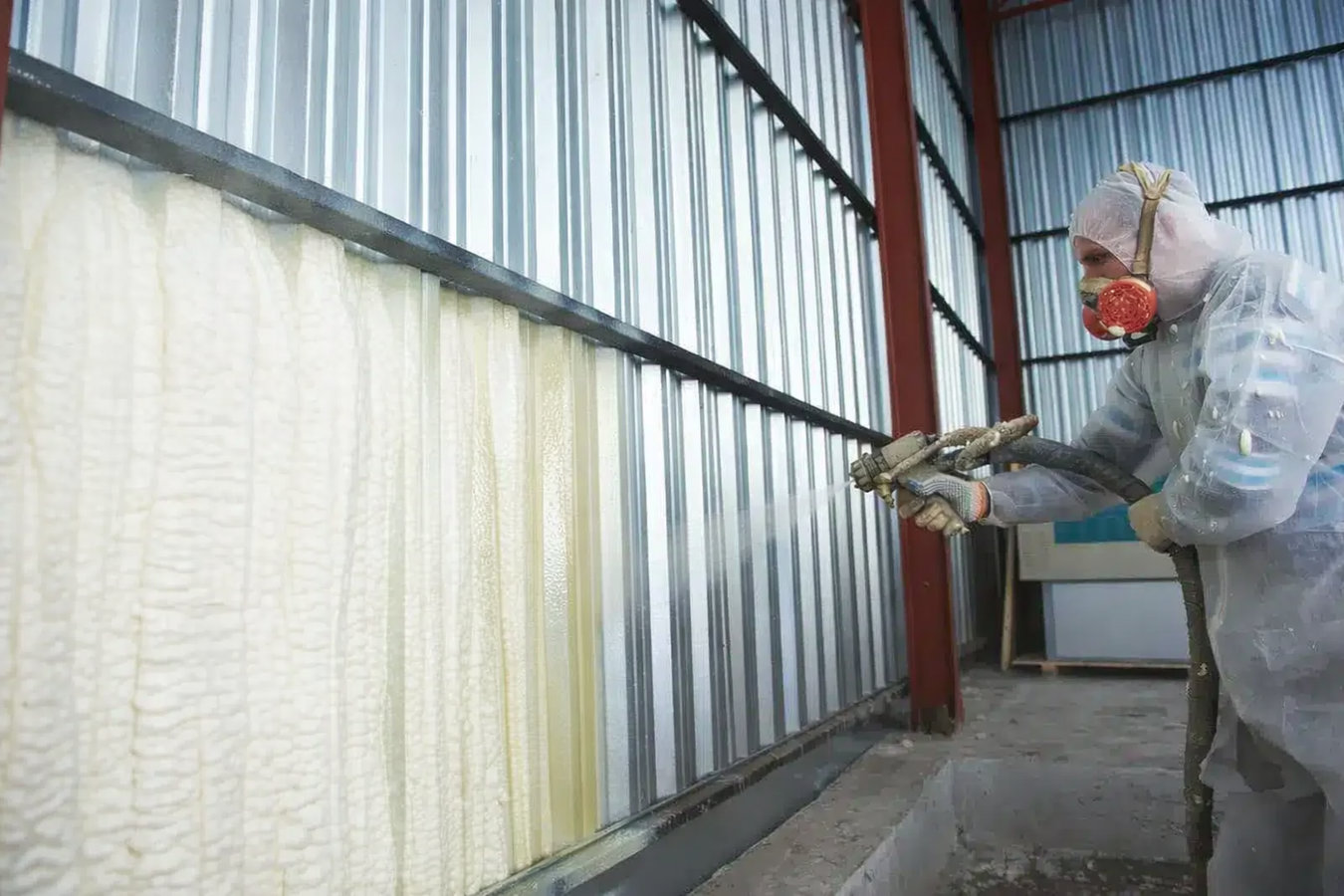
Wichita Falls commercial buildings built in the 1960s through 1980s are paying far more to heat and cool than they need to. Proper insulation reduces monthly energy costs, protects your HVAC investment, and keeps employees and customers comfortable year-round.
Commercial insulation in Wichita Falls installs blown-in, spray foam, or rigid board material into the attic, wall cavities, and roof assembly of a business property to slow heat transfer and reduce the load on your heating and cooling system, and most projects run one to five days depending on building size with minimal disruption to daily operations.
A significant portion of Wichita Falls commercial buildings were constructed in the 1960s through 1980s, when insulation standards were far less demanding than they are today. Many of those buildings have never had their insulation assessed or upgraded. If your building is in that range, there is a real chance it is losing a meaningful amount of conditioned air through gaps and thin coverage that have been there since the day it was built. Pairing a commercial insulation upgrade with spray foam insulation in targeted areas addresses both the bulk insulation and the air-sealing in the same project.
The North American Insulation Manufacturers Association publishes installation standards for commercial applications that specify material types, coverage depths, and installation procedures for different building assemblies. A contractor familiar with those standards is more likely to install your insulation correctly the first time than one who is estimating by feel.
If your electricity costs spike from May through September and your HVAC runs continuously without ever quite catching up, your building is not holding conditioned air effectively. Wichita Falls summers are long and intense, and a well-insulated building should maintain a reasonable interior temperature without the cooling system running at full capacity all day. If bills have been climbing year over year without a clear explanation, insulation is one of the first things worth checking.
Walk through your building on a hot July afternoon and pay attention to temperature differences between spaces. If some rooms feel significantly warmer than others, especially those near the roof or on the west-facing side of the building, insulation coverage is likely uneven or missing in those areas. This is a common finding in older Wichita Falls commercial buildings where material has settled or was installed inconsistently.
If your building has experienced roof leaks after Wichita Falls hail events, moisture may have reached the insulation inside your ceiling or walls. Wet insulation clumps, loses its effectiveness, and can harbor mold. You may not be able to see the damage from inside the building, but the performance drop shows up in energy bills and in the comfort complaints your staff makes in summer.
When insulation fails, heating and cooling systems compensate by running longer and harder. That extra strain shortens equipment life and increases repair frequency. If your HVAC contractor has been out multiple times in the past two years and cannot point to a clear mechanical cause, ask whether the building envelope, including insulation, has been evaluated. The HVAC system is often the symptom, not the disease.
We start every commercial job with an on-site assessment of the building, checking the attic or roof space, exterior walls, and mechanical rooms for current insulation levels, air leaks, and any moisture damage from prior weather events. You receive a written estimate that explains what work is recommended, which areas will be treated, what materials will be used, and the total cost. A contractor who cannot explain why they are recommending each item is one worth reconsidering before you sign anything.
For large attic spaces, blown-in fiberglass or cellulose is typically the most cost-effective option because it fills irregular areas thoroughly and can be installed quickly. For roof assemblies, wall cavities, or metal building structures, we use closed-cell foam insulation, which provides both thermal resistance and a moisture barrier in a single application. Buildings with significant air infiltration around mechanical penetrations, gaps at the roofline, or poorly sealed wall assemblies benefit most from spray foam insulation in those specific areas alongside bulk insulation material elsewhere. If permits are required by the City of Wichita Falls for your project scope, we handle pulling those before work begins.
Every crew works cleanly, protecting finished surfaces and containing debris throughout the project. Before we leave, a supervisor walks through the completed work with you, shows you what was done in each area, and hands you documentation of the installation for your records and any permit inspections.
Office buildings, retail spaces, and warehouses where the roof assembly is the primary source of heat gain during Wichita Falls summers.
Commercial buildings where exterior walls have little or no insulation, contributing to temperature variation across different areas of the building.
Buildings with significant gaps around mechanical penetrations, at the roofline, or in wall assemblies that are driving up energy costs and creating comfort complaints.
Building owners who want to understand exactly where their energy is going before committing to any work, with a written report and recommendations.
Wichita Falls regularly sees summer temperatures above 100 degrees Fahrenheit, and sustained heat at that level does not just make your building uncomfortable. It forces your cooling system to run almost continuously, driving up energy costs faster than in most other Texas cities. Insulation that might perform adequately in a milder climate gets overwhelmed here, which means the quality and completeness of the installation matters more. A thin spot in your attic or a gap around a ductwork penetration has a measurable impact on your monthly utility statement when temperatures are that extreme for that long.
Wichita Falls also sits in a severe weather corridor where significant hail events are common, and hail that damages a roof membrane often allows moisture into the insulation underneath. That wet insulation loses most of its effectiveness and can create mold inside wall cavities that is invisible from the inside of the building until the problem is serious. Any building that has taken a significant hail hit in the past few years is worth having assessed, not just for roof damage but for what happened to the insulation below it.
We serve commercial properties throughout Wichita Falls and surrounding markets, including Wichita Falls, Lawton, and Wichita, KS, where the same aging commercial building stock and climate demands make insulation upgrades a practical financial decision rather than a luxury.
We ask a few basic questions about your building: size, age, what type of business you run, and what problems you have been noticing. You can expect a reply within one business day, and we schedule an on-site assessment at a time that works for your operations.
We walk through your building and check the areas most likely to be losing energy: the attic or roof space, exterior walls, and mechanical rooms. This visit typically takes one to two hours, and you receive a written estimate that explains exactly what is recommended and why before any work is scheduled.
The crew works in attic spaces, wall cavities, and mechanical areas that your employees and customers do not use. In most cases, your business stays open throughout the project. If spray foam is being applied anywhere, we tell you which areas need to be cleared and for how long before we start.
Before the crew leaves, a supervisor walks you through the completed work and hands you documentation of what was installed. This is useful for your records, any permit inspections, and if you ever sell or lease the building. It also supports any federal tax deduction paperwork.
No pressure, no obligation. We assess the building, give you a written quote, and let you decide. We reply within one business day.
(940) 298-1772We work in Wichita Falls and 11 surrounding markets, from Lawton to Denton, so we know the commercial building stock, the climate conditions, and the permit process in each area. That regional knowledge means fewer surprises on your project and more relevant recommendations for your building type.
A written estimate that covers what areas are treated, what materials are used, and the total cost is the most direct protection against scope creep and unexpected charges. We provide that before scheduling any installation and do not change the scope without your approval.
Wichita Falls has adopted the International Energy Conservation Code for commercial construction, and larger renovations or new construction projects require permits from the city's Building Inspections office. We know which projects require permits, handle the paperwork, and ensure the work passes inspection the first time.
The federal Section 179D deduction for commercial building energy efficiency requires specific documentation of the installed improvements. We provide that documentation at job completion in the format needed for your tax professional, so you are not trying to reconstruct what was done after the fact.
Commercial insulation is one of the most straightforward ways to reduce a building's operating costs in a climate as demanding as Wichita Falls. The federal tax deduction makes the financial case even stronger. Call us or submit a request online and we will be in touch within one business day to schedule your on-site assessment.
High-performance spray foam for commercial rooflines, wall assemblies, and hard-to-reach cavities where blown-in material cannot create an air-tight seal.
Learn moreRigid, moisture-resistant closed-cell foam suited for commercial roof decks, metal building walls, and below-grade applications in Wichita Falls.
Learn moreWichita Falls summers do not wait, and neither does the energy bill that comes with an under-insulated building. Book your free on-site estimate now and lock in your project before the heat hits.