
Loading...
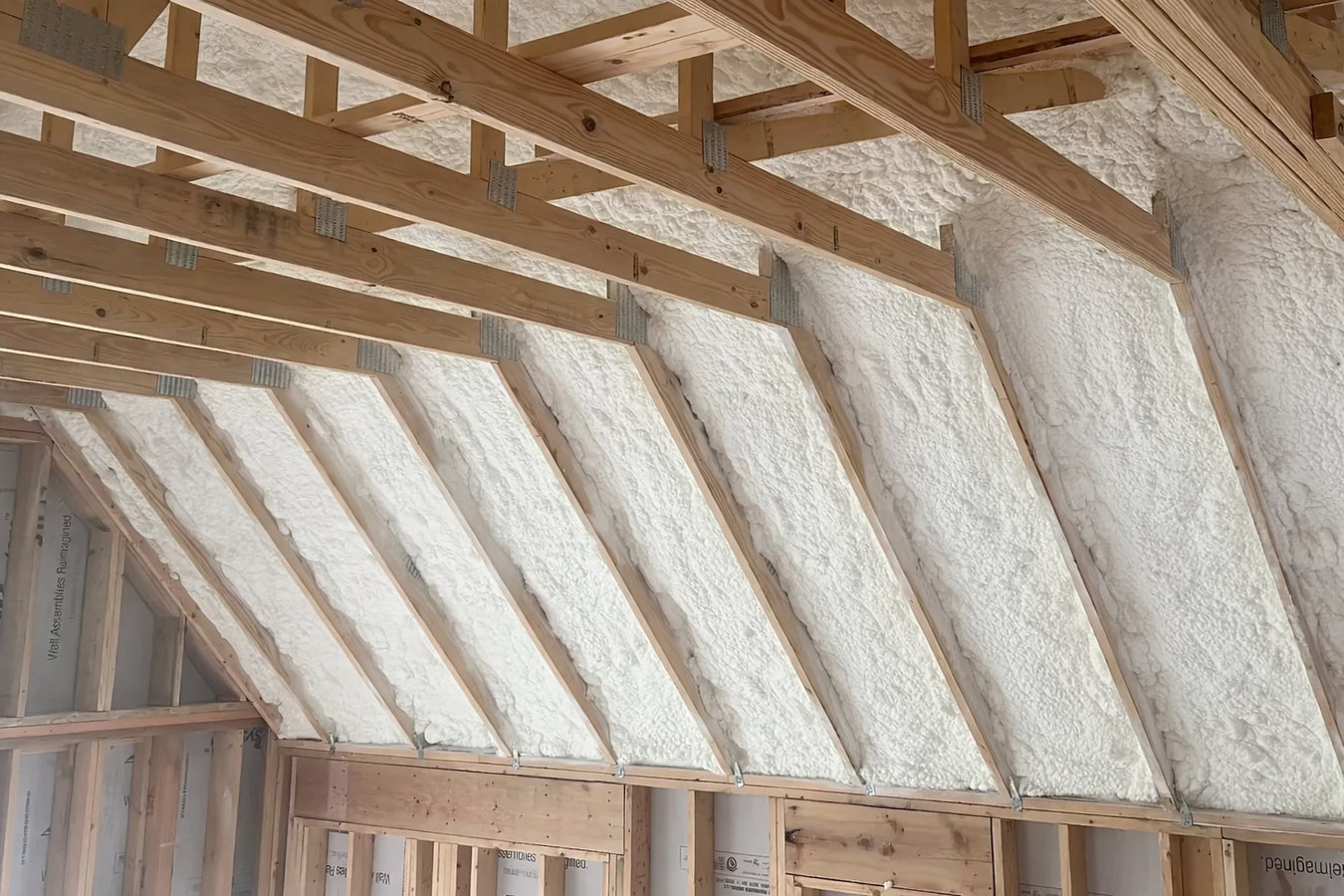
Wichita Falls summers push attic temperatures past 130 degrees. Closed-cell foam stops that heat at the source, sealing air leaks and insulating in a single application.
Closed-cell foam insulation in Wichita Falls is sprayed on as a liquid, expands immediately, and hardens into a dense, rigid layer that insulates and seals air gaps at the same time - most attic and crawl space jobs finish in one day. Unlike fiberglass batts or blown-in material, it bonds directly to surfaces and fills irregular cavities that traditional insulation simply cannot reach.
The key difference from other insulation types is that closed-cell foam does two jobs simultaneously: it creates a high-performance thermal barrier and an air and moisture seal in one pass. Most insulation products slow heat transfer but leave air leaks wide open. In Wichita Falls, where summer heat is relentless and severe storms drive humidity spikes, that combined performance is what makes closed-cell foam worth the higher upfront cost.
Homes in Wichita Falls built before 1990 are the strongest candidates, because they were typically constructed to insulation standards well below what is required today. If those homes also have ductwork running through an unsealed attic - which is common throughout this area - closed-cell foam applied to the underside of the roof deck can make a dramatic difference in both comfort and energy cost. For a broader view of your home's insulation options, our spray foam insulation page covers both open-cell and closed-cell applications in detail.
If your cooling costs rise sharply from June through September despite not changing your habits, heat is getting into your home faster than your AC can push it out. In Wichita Falls, where summer temperatures routinely exceed 100 degrees, a poorly insulated attic acts like a furnace sitting directly above your living space. That extra heat load is one of the clearest signs your current insulation is not doing its job.
If the room directly under the attic or a specific bedroom is always warmer than the rest of your home, the insulation in that area is likely thin, missing, or has settled over years. This is especially common in Wichita Falls homes built before the 1990s. When your air conditioner cannot keep up with one room, that room is pointing you toward the problem.
Hold your hand near an electrical outlet on an exterior wall on a hot day. If you feel warm air pushing through, your walls are not sealed. The same test works at the attic access hatch - if you feel heat radiating down when you open it, your attic is acting as a heat source above your living space. Closed-cell foam seals these gaps completely.
Wichita Falls summers bring humidity spikes during storm season, and that moisture can work its way into an unsealed attic or crawl space. Water staining on attic sheathing, a musty smell when you open the attic hatch, or condensation on pipes in a crawl space all indicate moisture is entering through gaps. Left unaddressed, that moisture leads to mold and wood rot.
We apply closed-cell foam in attics, crawl spaces, rim joists, basement walls, and exterior walls throughout Wichita Falls and the surrounding region. The location drives the application - a crawl space with active moisture needs a different thickness and vapor-barrier strategy than an attic being fully encapsulated to bring it into the conditioned envelope of the home.
For attics where ductwork runs through the space, we spray the underside of the roof deck rather than the attic floor. This approach keeps ducts inside a conditioned zone rather than exposed to triple-digit heat all summer, which reduces how hard your system works and lowers the chance of duct failure over time. For homes where only certain areas need upgrading, closed-cell foam at the rim joist and around foundation penetrations is a high-return starting point. We also compare this option against open-cell foam insulation during every estimate, so you can choose the right material for your specific situation and budget.
Every closed-cell foam project we complete starts with an on-site assessment. We check existing insulation, look for moisture issues that need to be resolved first, and confirm permit requirements with the City of Wichita Falls Development Services before scheduling. The Spray Polyurethane Foam Alliance provides installation standards our crew follows to ensure uniform coverage and correct thickness throughout.
Homes where ductwork runs through the attic and you want to bring the full attic into conditioned space.
Properties with moisture infiltration, pest entry points, or significant heat loss through the lower level.
Older Wichita Falls homes where the band of framing above the foundation wall has never been sealed or insulated.
Renovation projects or additions where open-wall access makes spray foam more practical than traditional batts.
Wichita Falls sits in a climate that demands a lot from home insulation. Summer temperatures regularly exceed 100 degrees, the cooling season stretches from late spring well into September, and attics in unshaded homes can reach 130 degrees or more on an August afternoon. That sustained heat exposure breaks down thinner insulation materials over time and overwhelms standard fiberglass in ways that closed-cell foam, with its higher insulating value per inch, handles far better.
The severe weather context matters too. Wichita Falls sits in a part of North Texas that sees frequent severe thunderstorms, hail, and occasional tornado activity. Closed-cell foam, because it hardens into a rigid material, adds a measurable amount of structural strength to whatever surface it is sprayed onto - a real benefit on roof decks exposed to high winds. The humidity that follows storm systems is also less of a concern once foam is in place, because it creates a moisture barrier that passive insulation types simply cannot match. Homeowners across Wichita Falls and as far out as Gainesville, TX and Denton, TX face the same combination of extreme heat, storm exposure, and older housing stock.
Many Wichita Falls homes also have their ductwork running through unconditioned attics - a design that made sense when energy was cheap but costs homeowners real money today. Spraying the underside of the roof deck pulls the attic into the conditioned envelope, protecting ducts from extreme temperatures and reducing the energy wasted before cooled air even reaches your rooms. The U.S. Department of Energy recommends this approach specifically for homes in hot climates where duct losses are a significant driver of energy waste.
Call or submit an estimate request and we will ask a few basic questions about what area you want insulated and whether the home is occupied. We reply within one business day and can typically schedule an on-site visit within the week.
We walk through the area being insulated - attic, crawl space, or walls - and assess what is already there. We look for moisture issues, pest damage, or anything that should be resolved before foam goes in. This visit takes 30 to 60 minutes with no obligation.
You receive a written estimate specifying the area to be covered, the foam thickness to be applied, and the total cost. No verbal quotes, no surprises at the end of the job. Compare quotes from multiple contractors using this document.
The crew arrives, masks off surfaces that should not be coated, and sprays - the foam expands and hardens within seconds. Plan to be out of the home for at least two to four hours after spraying. We give you a specific re-entry time before work begins, not after.
Free written estimate, no obligation. We assess your attic or crawl space and recommend the right material for your specific home.
(940) 298-1772A large share of homes in Wichita Falls have ductwork running through unconditioned attics. We know this setup well and recommend roof-deck applications specifically when it will protect those ducts from extreme summer heat - not as an upsell, but because it is the right call for the home.
Spray foam insulation in Wichita Falls typically requires a building permit through City Development Services. We pull the permit and coordinate the city inspection on your behalf. That paper trail protects you at resale and confirms the work was done to code.
Every job starts with a written estimate that covers area, thickness, and total cost. We do not show up with verbal ballparks and adjust the number at the end. What you sign is what you pay.
We have completed closed-cell foam projects in homes across Wichita Falls and the surrounding region since 2022. The EPA's spray foam re-occupancy guidelines are built into every job - we give you a specific re-entry time before we start, not after the foam is already on the wall.
Closed-cell foam is a material that rewards doing it right the first time. Thin spots, missed gaps, and inadequate ventilation planning all show up as problems later. We treat the final walkthrough as a required step, not a formality, and will point out exactly what was installed and where before the crew leaves your property.
A softer, more affordable spray foam option suited for interior walls and attic floors where moisture resistance is less critical.
Learn moreOur full spray foam insulation service covering open-cell and closed-cell applications for every area of the home.
Learn moreClosed-cell foam works hardest in the seasons that hit Wichita Falls hardest. Call today for a free estimate and on-site assessment.