
Loading...
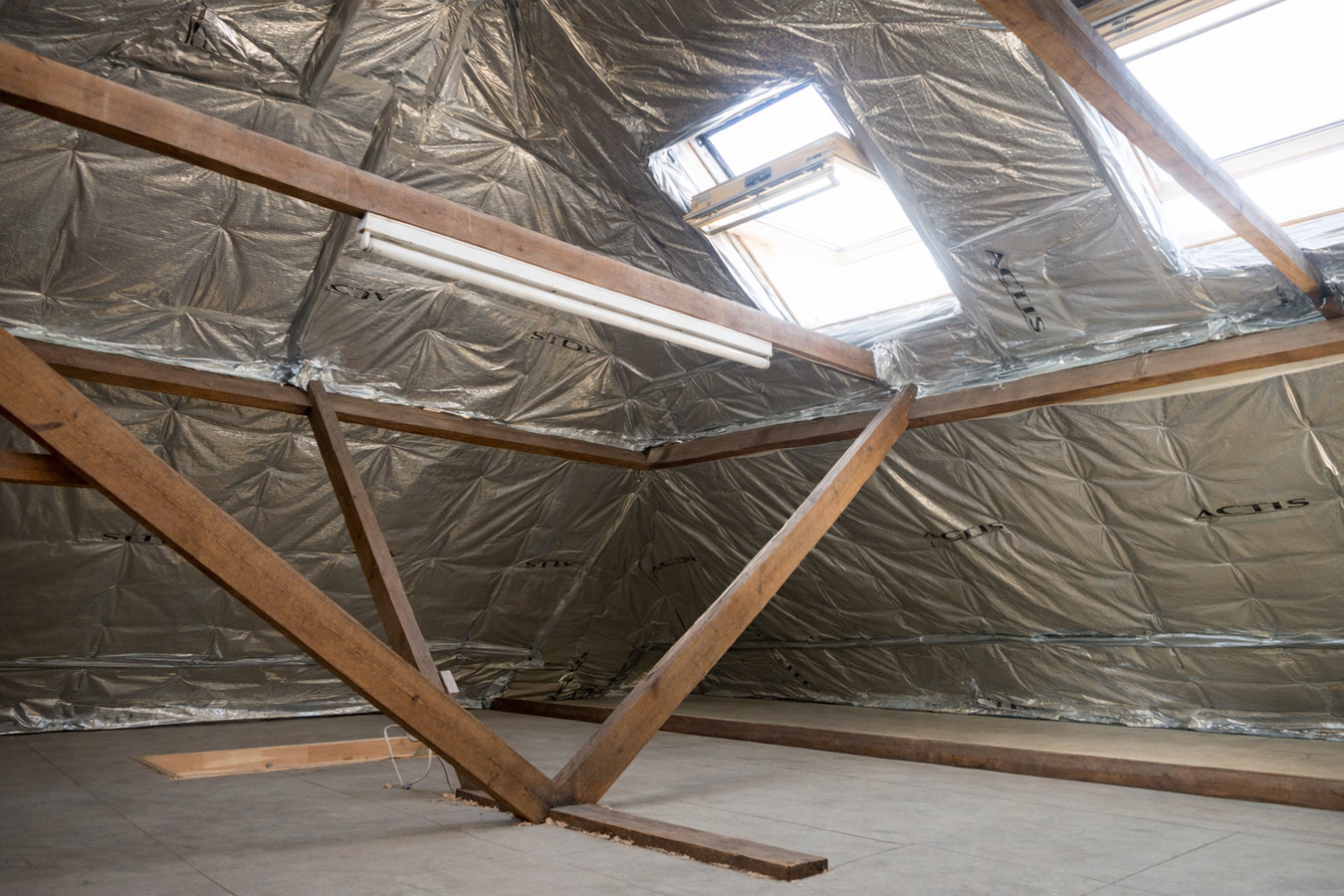
Wichita Falls Insulation Company serves Gainesville, TX with attic insulation, air sealing, and blown-in upgrades for homes throughout Cooke County. We have worked in Gainesville since 2022 on everything from the older brick homes near downtown to the mid-century neighborhoods on the south side, and we respond to every request within one business day.
A lot of Gainesville homes were built 50 or more years ago, and the attics in those homes often have insulation that has compressed down to just a few inches. When your attic insulation is thin, summer heat pours through your ceiling faster than your air conditioner can keep up, which is why so many older Cooke County homes feel hot upstairs even when the AC runs all day.
Older Gainesville homes leak air through dozens of small gaps around recessed lights, attic hatches, and where pipes and wires enter the living space. Sealing those gaps before adding insulation stops conditioned air from escaping and outside air from getting in. This is especially important in a climate like Cooke County where both summer heat and winter cold can be extreme.
Blown-in loose-fill insulation is one of the most cost-effective ways to upgrade a Gainesville attic because it can be added on top of existing material without a full tear-out. The machine blows cellulose or fiberglass into every corner and odd-shaped space, creating an even layer that rigid batts cannot match. For homes near the Frank Buck Zoo or along Grand Avenue, this is often the fastest way to bring an older home up to current insulation standards.
Some older Gainesville homes have crawl spaces instead of slab foundations, and those crawl spaces pull moisture from the clay soils below. Insulating the floor system and adding a vapor barrier stops that ground moisture from reaching the wood joists and subfloor, which reduces the risk of rot and makes the floors above feel warmer in winter. This is especially important in neighborhoods with older housing stock near the historic downtown square.
A vapor barrier is a thick plastic sheet that covers the soil in your crawl space and keeps ground moisture from entering the home. In Gainesville, where the clay soils hold moisture for long periods after rain, a properly installed vapor barrier is one of the most effective ways to prevent mold, wood rot, and the musty smell that crawl spaces can develop over time.
Many pre-1980 Gainesville homes have little or no insulation in the wall cavities, which means outside heat in summer and cold in winter move through those walls almost unchecked. Blown-in wall insulation can be installed through small holes drilled in the exterior, filling each bay without tearing out drywall or disrupting the interior of your home.
Gainesville sits in a part of North Texas where summers are long, hot, and humid, and winters bring hard freezes and occasional ice storms. The National Weather Service reports average July highs near 97 degrees Fahrenheit, and the city logs multiple days above 100 degrees most summers. Attics in Gainesville homes regularly reach 140 degrees or more on a summer afternoon, and if the insulation is thin or compressed, that heat pushes straight through the ceiling into the rooms below. Your air conditioner cannot compensate for inadequate insulation - it just runs constantly without ever catching up.
A large share of Gainesville's housing stock was built before 1980, when insulation standards were a fraction of what they are today. The older neighborhoods near downtown - including the blocks around the historic Santa Fe Depot and the streets leading to the Frank Buck Zoo - include homes from the early 1900s through the mid-century boom years. These homes were built with minimal insulation by today's standards, and decades of settling have compressed what little was there. On top of that, Gainesville winters can be genuinely harsh. Hard freezes are common most winters, and the February 2021 winter storm caused widespread damage across Cooke County. A home that is poorly insulated struggles just as much to hold heat in January as it does to keep heat out in July.
The expansive clay soils under most of Gainesville create an additional challenge that many homeowners do not realize is connected to insulation. Those soils swell when wet and shrink when dry, and over years that movement can widen gaps around foundations and penetrations where pipes and wires enter the home. When outside air at 100 degrees finds those gaps, it bypasses insulation entirely. This is why air sealing is just as important as adding material - and why a contractor who only focuses on insulation depth is solving half the problem.
We have worked on insulation and air sealing projects throughout Gainesville for years, and we know the city well enough to recognize the housing patterns that shape the work. The oldest homes near the historic downtown square and along Grand Avenue often have pier-and-beam foundations, original wood framing, and attics that were never designed to hold modern insulation depths. Mid-century ranch homes on the south side of town were built to 1950s and 1960s standards and frequently have insulation that has compressed down to just a few inches. The newer subdivisions farther out still benefit from air sealing, even if the original insulation is adequate.
Gainesville sits on Interstate 35, about 70 miles north of Dallas and just a few miles south of the Oklahoma border. That location makes it easy for our crews to reach the city from anywhere in North Texas, and we treat Gainesville as a core part of our service area rather than an occasional stop. We also serve homeowners in Sherman to the east and throughout Cooke County, so if you live on the edges of Gainesville near Callisburg or Valley View, we can still reach you without difficulty.
The City of Gainesville building department handles permitting for residential projects, though most straightforward insulation upgrades do not require one. When a permit is needed, we handle the process so you do not have to deal with it yourself. We also work regularly in Denton and other nearby cities, so our crews are familiar with the inspection standards across North Texas.
When you call or submit a request online, we will ask a few basic questions about your home and the problems you have been noticing. We respond within one business day and can usually schedule an in-home visit within the same week. No high-pressure calls, no automated follow-ups.
We go into your attic to measure what is already there, check for air leaks, and look for any moisture or pest issues that need to be addressed first. This usually takes about 30 minutes, and we explain what we found in plain terms. You receive a written estimate before we schedule any work, and all costs include labor and materials with no hidden charges.
Most Gainesville attic insulation jobs are completed in one day. You can stay home during the work - the process is not loud, and there is no chemical smell. If the job includes spray foam, you will need to leave for about 24 hours while the foam cures and the space ventilates. We protect your floors near the attic access and clean up any dust or debris before we leave.
We walk you through the completed work before we leave - showing you the finished depth in the attic or explaining what was sealed. We also provide any documentation you need to claim federal tax credits or utility rebates. If you notice any issues after the job is done, we come back and make it right.
Serving Cooke County homeowners with written estimates, same-week scheduling, and no-pressure service. We show up when we say we will.
(940) 298-1772Gainesville is the county seat of Cooke County and home to about 16,000 people, making it a true small city rather than a suburb or bedroom community. The city sits on Interstate 35, roughly 70 miles north of Dallas and just a few miles south of the Oklahoma border. The Frank Buck Zoo - one of the few free zoos in Texas - sits on the north side of town and has been a local landmark for decades. Downtown Gainesville includes the historic Santa Fe Depot, which has been converted into a local history museum and marks the city's roots as a railroad town.
The housing stock in Gainesville spans more than a century. The oldest neighborhoods near the historic downtown square include homes from the late 1800s and early 1900s, many with pier-and-beam foundations and original wood framing. Mid-century ranch homes fill the central residential areas, and brick-veneer construction is common throughout the city from the 1950s through the 1980s. Single-family detached homes on standard city lots make up the vast majority of the housing stock, and owner-occupied homes outnumber rentals by a wide margin.
The local economy includes manufacturing jobs at facilities like Howmet Aerospace, healthcare services at local hospitals, and agriculture from the surrounding farmland in Cooke County. Gainesville has stayed roughly the same size for decades, which means most residents are long-term homeowners rather than people passing through. We also serve nearby cities like Sherman and communities throughout North Texas.
High-performance spray foam that air-seals and insulates in a single application.
Learn moreProper attic insulation that keeps conditioned air in and outdoor temperatures out.
Learn moreLoose-fill insulation blown into attics and wall cavities for even, gap-free coverage.
Learn moreWhole-home insulation solutions that improve comfort and reduce energy bills.
Learn moreSafe removal of old, damaged, or contaminated insulation before a fresh install.
Learn moreCrawl space insulation that stops moisture, pests, and cold floors from entering your home.
Learn moreInterior and exterior wall insulation for better soundproofing and thermal control.
Learn moreIdentifying and sealing air leaks that silently drive up heating and cooling costs.
Learn moreBasement insulation and moisture control that makes below-grade spaces livable.
Learn moreDense, rigid closed-cell foam delivering the highest R-value per inch available.
Learn moreFlexible open-cell foam ideal for interior walls, floors, and sound dampening.
Learn moreSealing attic bypasses and penetrations before adding insulation for maximum efficiency.
Learn moreHeavy-duty vapor barriers that prevent ground moisture from entering your crawl space.
Learn moreProfessional vapor barrier installation for crawl spaces, basements, and below-grade areas.
Learn moreAdding insulation to existing homes without major demolition or disruption.
Learn moreCommercial and light industrial insulation for offices, warehouses, and retail spaces.
Learn moreFree written estimates, same-week scheduling, and no high-pressure sales calls. If you want your Cooke County home fixed, not just quoted, call today.