
Loading...
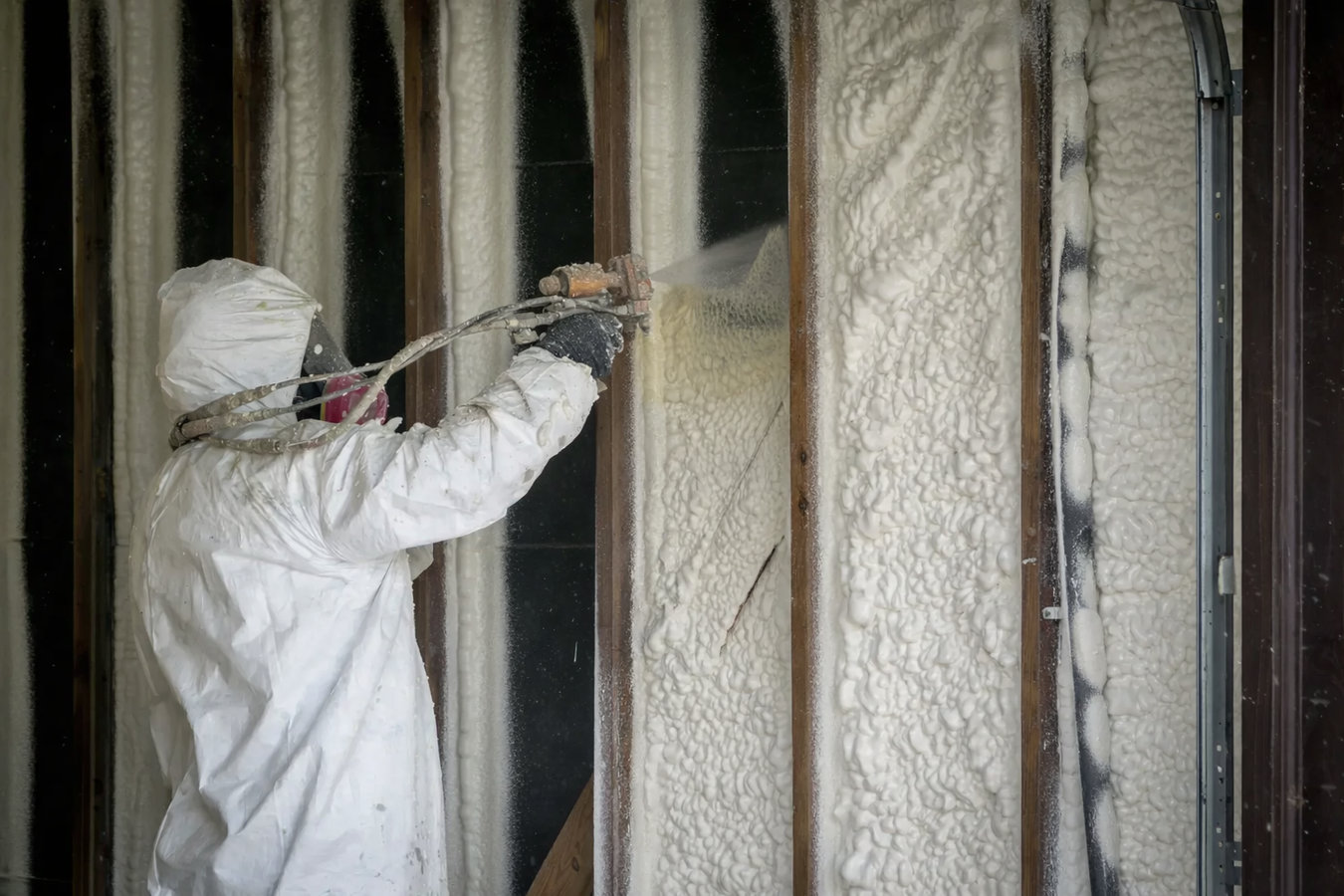
Wichita Falls Insulation Company provides spray foam insulation, attic insulation, and air sealing services throughout Wichita Falls, TX. We have served North Texas homeowners since 2022, with free written estimates on every job and a crew that knows Wichita Falls homes inside and out.
Wichita Falls summers push attic temperatures above 140 degrees Fahrenheit, and older homes built in the 1950s through 1970s lose conditioned air through gaps that blown-in insulation simply cannot reach. Our spray foam insulation seals and insulates in one step, bonding directly to walls, rim joists, and attic surfaces for a result that lasts the life of the home. It is the most effective single upgrade we install in homes throughout Wichita Falls.
The attic is the first place to address in a Wichita Falls home because it is where heat gain is greatest during the brutal summer months. Many homes here still have the original attic insulation from the 1960s or 1970s, which has thinned and settled far below what this climate requires. Upgrading the attic to current recommended levels typically produces the largest measurable drop in energy bills of any insulation project.
Blown-in loose-fill insulation works especially well in the large attics common on Wichita Falls ranch-style homes because it fills every corner and settles evenly over irregular framing. It can be added on top of existing insulation when the old material is still in good shape, which makes it a cost-effective path to better performance without a full tear-out. For homes that need more depth to meet current recommendations for this climate zone, blown-in is often the fastest and least disruptive option.
Wichita Falls is prone to strong, sustained winds that push outside air through small gaps in a home's exterior. Insulation alone does not stop air movement, which is why sealing gaps around penetrations, recessed lights, and the attic floor before new insulation goes in matters as much as the material itself. Homes that had insulation added without air sealing first often still feel drafty and run high energy bills even after the upgrade.
Wichita Falls clay soils stay wet for weeks after rain events, releasing moisture upward into crawl spaces and floor framing. Installing insulation in the crawl space slows heat transfer through the floor system in both summer and winter, and works best when paired with a vapor barrier that keeps ground moisture from reaching the insulation material. Cold floors in winter and high humidity under the house are the most common signs that crawl space work is overdue.
Many Wichita Falls homes that were built in the decades after the 1979 tornado have attic insulation that is now 40-plus years old, compressed, moisture-damaged, or contaminated from past pest activity. Installing new insulation on top of damaged material traps moisture and undermines the performance of the new product. Safe removal of the old material first gives the new installation the clean surface it needs to perform correctly.
Wichita Falls sits in a climate zone that demands more from insulation than most of Texas. Summer highs regularly exceed 100 degrees Fahrenheit for weeks at a time, and the city has recorded temperatures above 110 degrees. That sustained heat drives attic temperatures above 140 degrees on a typical afternoon, forcing air conditioning systems to run almost continuously and running up energy bills that homeowners in milder climates do not face. Insulation that meets the code minimum is often not enough here to keep a home genuinely comfortable.
The housing stock compounds the problem. A significant share of Wichita Falls homes were built before 1980, many during the rapid construction boom that followed the 1979 tornado that destroyed thousands of homes across the city. Homes built in the 1950s through early 1980s were constructed when insulation standards were a fraction of what is recommended today, and decades of settling have opened additional gaps around framing, pipes, and wiring. These homes often have little to no wall insulation and attic depths that fall far short of current recommendations for this climate.
Winters add a second demand. Unlike South Texas, Wichita Falls experiences genuine cold snaps with temperatures dropping into the 20s and occasionally below 10 degrees Fahrenheit, plus ice storms like the February 2021 event that froze pipes and damaged insulation across the city. An insulation contractor who only installs for summer cooling will miss the winter performance the home also needs. Understanding both extremes is what shapes how we size and install insulation throughout Wichita Falls.
Our team regularly pulls permits through the City of Wichita Falls Development Services office and has worked on homes throughout the city since 2022, from the older brick ranch neighborhoods near Midwestern State University to the post-1979 subdivisions that filled in the east and south sides of town after the tornado. That familiarity means we know what to expect when we open an attic hatch in a house from each era, rather than treating every job as a generic project.
From Sheppard Air Force Base on the north side of town to the established neighborhoods around Tanglewood and Sunset, we have seen how differently homes in each part of Wichita Falls were built and how the local clay soil and wind conditions affect them over time. Homes near the base tend to have higher rental turnover, which means deferred maintenance on insulation. The neighborhoods further from the base often have long-term owner-occupied homes that simply have not had an insulation upgrade in 30 or 40 years.
We also serve the surrounding region. Homeowners in Lawton, OK regularly contact us for the same services we provide throughout Wichita Falls, and the climate and housing stock in that market is similar enough that our crew brings the same knowledge to every job across the state line.
We respond to every inquiry within one business day. When you call, we will ask a few basic questions about your home - age, square footage, and what you have been noticing - so we can come prepared with the right equipment and a good sense of what to look for.
A member of our crew will walk through your home and inspect the attic, crawl space, or walls you want addressed. We measure what is currently there, check for moisture or damage, and look for air leak points. You will get a written estimate before any work is scheduled, with no pressure to commit on the spot.
Most Wichita Falls attic insulation jobs are completed in a single day. For spray foam, plan to be out of the home for about 24 hours after application while the product cures. Our crew seals air gaps before insulation goes in, which is the step that most directly affects long-term performance.
Before we leave, we walk you through the finished work, point out what was done and where, and answer any questions. If anything comes up in the weeks after installation, call us and we will come back to address it - that is how we have kept customers in Wichita Falls coming back since {yearFounded}.
We serve all of Wichita Falls, TX - from the north side near Sheppard to the south-side subdivisions. Call now or fill out the form and we will be in touch within one business day.
(940) 298-1772Wichita Falls is a city of about 104,000 people in the far north of Texas, roughly 15 miles south of the Oklahoma border. It grew rapidly during the early 1900s oil boom, which is why a meaningful share of its residential neighborhoods still feature homes from the 1940s through 1970s. The city rebuilt substantially after a devastating tornado struck in April 1979, adding large numbers of homes in the late 1970s and early 1980s that are now approaching or past 40 years old. According to the U.S. Census Bureau, approximately 55 percent of homes are owner-occupied, and the median home value sits well below the Texas state average - which means most residents here have a real financial stake in keeping their homes efficient and well-maintained.
The dominant residential style across Wichita Falls is the single-story brick ranch home built on a concrete slab, common in neighborhoods throughout the city from the Sheppard area in the north to the subdivisions along Kemp Boulevard and out toward the south side. Brick exteriors hold up well in the Texas heat but do not insulate the wall cavity on their own. Most of these homes relied on minimal fiberglass batts at the time of construction and have never had an insulation upgrade. The clay-heavy local soil expands and contracts with every wet-dry cycle, gradually opening small gaps in the building envelope where conditioned air escapes.
The Hotter 'N Hell Hundred bicycle race, held every August and drawing tens of thousands of visitors to the city, takes its name from what Wichita Falls summers genuinely feel like. The man-made waterfall in Lucy Park is one of the city's most recognized landmarks. Sheppard Air Force Base, just north of the city center, is one of the largest employers in the area and brings a steady flow of residents who are new to Wichita Falls and often need to evaluate homes quickly. Neighboring Lawton, OK sits about 60 miles to the north and shares similar climate and housing-stock challenges with Wichita Falls.
High-performance spray foam that air-seals and insulates in a single application.
Learn moreProper attic insulation that keeps conditioned air in and outdoor temperatures out.
Learn moreLoose-fill insulation blown into attics and wall cavities for even, gap-free coverage.
Learn moreWhole-home insulation solutions that improve comfort and reduce energy bills.
Learn moreSafe removal of old, damaged, or contaminated insulation before a fresh install.
Learn moreCrawl space insulation that stops moisture, pests, and cold floors from entering your home.
Learn moreInterior and exterior wall insulation for better soundproofing and thermal control.
Learn moreIdentifying and sealing air leaks that silently drive up heating and cooling costs.
Learn moreBasement insulation and moisture control that makes below-grade spaces livable.
Learn moreDense, rigid closed-cell foam delivering the highest R-value per inch available.
Learn moreFlexible open-cell foam ideal for interior walls, floors, and sound dampening.
Learn moreSealing attic bypasses and penetrations before adding insulation for maximum efficiency.
Learn moreHeavy-duty vapor barriers that prevent ground moisture from entering your crawl space.
Learn moreProfessional vapor barrier installation for crawl spaces, basements, and below-grade areas.
Learn moreAdding insulation to existing homes without major demolition or disruption.
Learn moreCommercial and light industrial insulation for offices, warehouses, and retail spaces.
Learn moreSchedule your free on-site estimate today - we respond within one business day and bring a written quote to every appointment.