
Loading...
Wichita Falls Insulation Company serves Denton, TX with air sealing, attic insulation, spray foam, and blown-in insulation. We have worked on homes across Denton since 2022 - from the older pier-and-beam houses near the historic Courthouse Square to the newer brick-veneer subdivisions in Rayzor Ranch - and we provide free written estimates before any work begins.
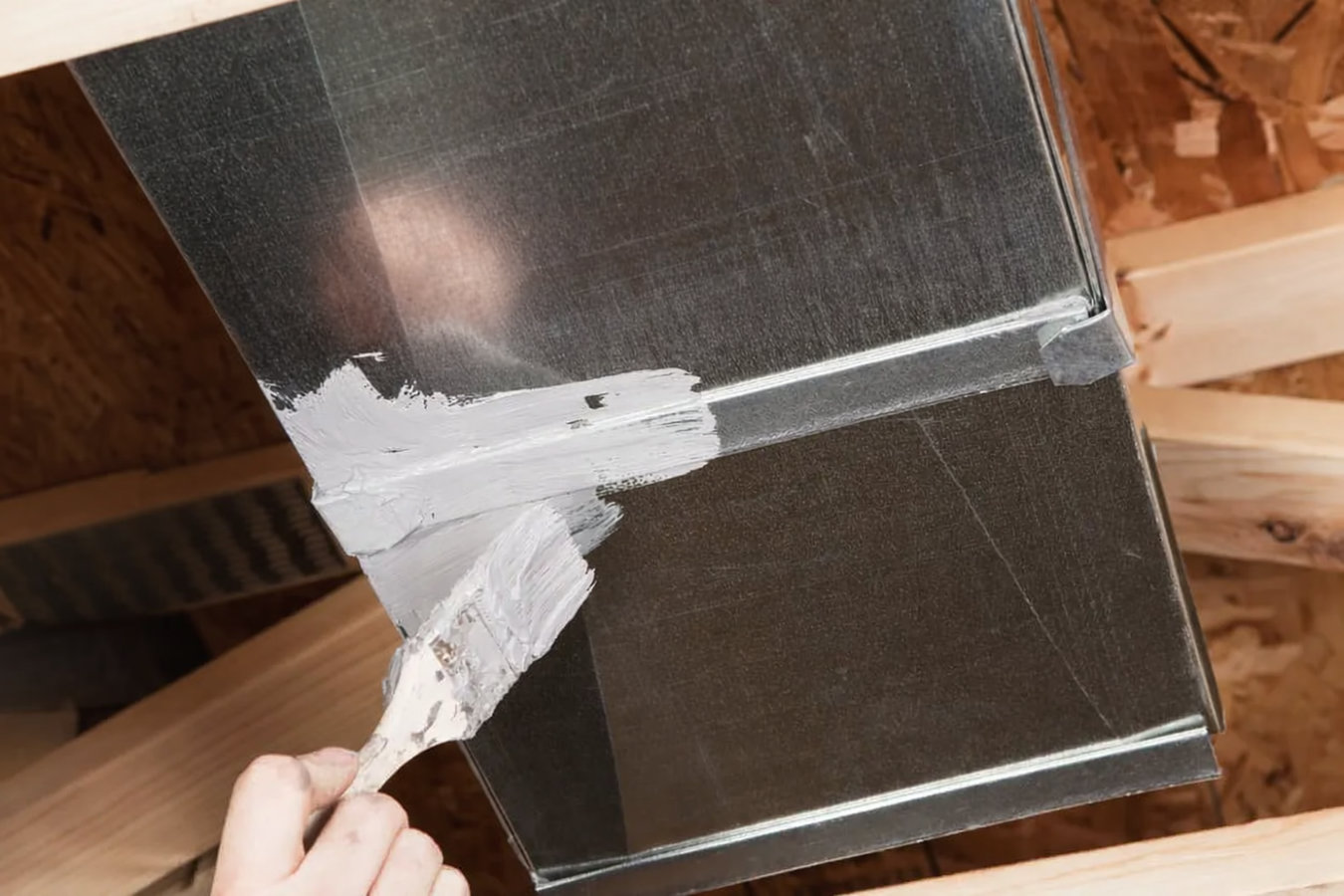
Denton homes lose more conditioned air through gaps around attic penetrations, recessed lights, and framing joints than most homeowners expect. Insulation alone does not stop air movement - sealing those gaps first is what makes the insulation perform as intended. Our air sealing services include a diagnostic blower door test to identify exactly where your home is leaking, so we are fixing the real problems rather than guessing.
Denton attics reach extreme temperatures on summer afternoons, and homes built before 1990 - including the ranch-style and Colonial-revival houses scattered through established neighborhoods - commonly have insulation that has compressed well below effective levels. Bringing attic insulation up to the recommended depth for North Texas is the single most cost-effective energy improvement most Denton homeowners can make.
Many Denton homeowners choose blown-in loose-fill insulation for attic upgrades because it can be added on top of existing material when the old insulation is still structurally sound, avoiding a full tear-out. It settles evenly across irregular joist bays and reaches areas that batt insulation cannot. For homes in the newer subdivisions south of downtown, where framing is consistent and accessible, blown-in is fast and cost-effective.
Older homes near Denton's historic downtown square typically have irregular framing, gaps around original plumbing, and foundation areas that standard insulation cannot reach. Spray foam bonds directly to whatever surface it touches, expanding to fill voids that blown-in material misses. For pier-and-beam homes and those with complex rooflines, spray foam applied to the rim joist and attic structure delivers both insulation and air sealing in one installation.
Pier-and-beam homes - still common in older Denton neighborhoods within a mile or two of the Courthouse Square - have crawl spaces that collect moisture from the expansive clay soils below. Insulating the floor system and adding a vapor barrier prevents that ground moisture from reaching floor joists and subfloor materials above, reducing both energy loss through the floor and the risk of wood rot or mold developing out of sight.
Denton's large stock of pre-1980 homes - especially the smaller houses near UNT and TWU that have been rented out for decades - frequently have little or no insulation in the wall cavities. Blown-in wall insulation can be installed with minimal disruption by drilling small access holes in the exterior, filling each bay, and patching the holes so the exterior returns to its original appearance.
Denton's climate is a genuine two-season challenge. Summers are long and brutal - average July highs push toward 97 degrees Fahrenheit, and the city logs roughly 70 days per year above 90 degrees. Attic temperatures in homes without adequate insulation regularly reach 140 to 160 degrees on a summer afternoon, which means an undersized or aging insulation system is not just an energy problem but a comfort problem your AC cannot fully compensate for no matter how hard it runs.
The housing stock in Denton spans more than a century, and that range creates very different insulation needs depending on where you live in the city. The oldest homes near the historic downtown square - some built in the 1890s and early 1900s - have original wood-frame construction with little insulation remaining in the wall cavities. Mid-century ranch homes in the central neighborhoods were built to 1950s and 1960s standards that fall far short of what this climate requires today. And newer subdivisions to the south and east, while better insulated from the start, are now 10 to 20 years old and entering their first major maintenance cycle.
The clay soils under most of Denton create a secondary driver that is easy to miss. Those soils expand when wet and contract in dry conditions, and over years that movement can widen gaps around foundations and penetrations. When outside air at 100 degrees finds those gaps, it bypasses insulation entirely. A contractor who only installs material without also addressing air sealing is solving half the problem. Denton's conditions - soil, climate, and building age - require both.
Our crews regularly pull permits for residential insulation work in Denton through the City of Denton Development Services office, and we are familiar with the inspection process for both permit-required and permit-exempt projects in the city. That familiarity keeps jobs on schedule and avoids the permit surprises that can slow down a project.
We know from working throughout Denton that the housing stock near UNT and TWU - both on the north and west sides of campus - is largely rental property that has seen inconsistent maintenance. Homes in that corridor are frequent candidates for full attic remediation: removing old, compressed insulation, sealing the attic floor, and reinstalling to current depth. Neighborhoods farther from campus, like those east of I-35E near the Savannah subdivision, tend to have newer construction that needs air sealing more than a material upgrade. Knowing which neighborhoods have which problems lets us arrive prepared.
Denton sits at the junction of I-35E and I-35W - the two legs of the interstate that split here before heading to Dallas and Fort Worth. We travel both corridors regularly, which means jobs in Denton fit naturally into our North Texas service area. We also serve homeowners in Lewisville just down I-35E, and in Gainesville to the north - so if you are near the edges of Denton close to either of those cities, we can still reach you without difficulty.
When you contact us, we will ask about your home's age, size, and the problems you have been noticing. We respond within one business day and can typically schedule an in-home estimate within the week.
We walk your attic, crawl space, and exterior to find where the real problems are - not just the obvious ones. You will receive a written estimate before we schedule any work, so there are no surprises on the invoice.
Most Denton jobs are completed in one to two days. For blown-in and air sealing work you can stay home; spray foam projects require you to vacate for about 24 hours while the foam cures and the space ventilates.
We walk you through the completed work before we leave, explaining what was done and what, if anything, we recommend as a next step. If you have questions or concerns in the weeks after, we will come back.
Serving Denton homeowners with free written estimates and same-week scheduling. No pressure, no surprises.
(940) 298-1772Denton, Texas sits roughly 35 miles north of Dallas and 30 miles north of Fort Worth at the junction of I-35E and I-35W, where those two highways split before heading into the two halves of the Metroplex. The city had about 148,000 residents as of the 2020 Census and has grown steadily as the DFW area expands northward. The 1896 Denton County Courthouse anchors the downtown square, which is surrounded by locally owned restaurants, shops, and music venues that give Denton a distinct identity well beyond its reputation as a college town.
The city's housing stock spans more than a century. The blocks closest to the historic downtown square include homes built in the late 1800s and early 1900s, many of them wood-frame with pier-and-beam foundations. Mid-century ranch homes fill the central residential neighborhoods. Larger planned subdivisions - like those in the Savannah and Harvest areas to the east and south - were built mostly in the 2000s and 2010s on concrete slab foundations with consistent brick-veneer exteriors. That variety means the insulation and air sealing needs in Denton differ substantially from one neighborhood to the next.
The University of North Texas and Texas Woman's University together enroll roughly 50,000 students and employ thousands more, shaping the character of the neighborhoods immediately around campus. Homes in those corridors have often been rented out for decades and may need more attention than their age alone would suggest. The broader Denton area is well-connected to neighboring cities: we also serve homeowners in Lewisville down I-35E and throughout the Denton County corridor.
High-performance spray foam that air-seals and insulates in a single application.
Learn moreProper attic insulation that keeps conditioned air in and outdoor temperatures out.
Learn moreLoose-fill insulation blown into attics and wall cavities for even, gap-free coverage.
Learn moreWhole-home insulation solutions that improve comfort and reduce energy bills.
Learn moreSafe removal of old, damaged, or contaminated insulation before a fresh install.
Learn moreCrawl space insulation that stops moisture, pests, and cold floors from entering your home.
Learn moreInterior and exterior wall insulation for better soundproofing and thermal control.
Learn moreIdentifying and sealing air leaks that silently drive up heating and cooling costs.
Learn moreBasement insulation and moisture control that makes below-grade spaces livable.
Learn moreDense, rigid closed-cell foam delivering the highest R-value per inch available.
Learn moreFlexible open-cell foam ideal for interior walls, floors, and sound dampening.
Learn moreSealing attic bypasses and penetrations before adding insulation for maximum efficiency.
Learn moreHeavy-duty vapor barriers that prevent ground moisture from entering your crawl space.
Learn moreProfessional vapor barrier installation for crawl spaces, basements, and below-grade areas.
Learn moreAdding insulation to existing homes without major demolition or disruption.
Learn moreCommercial and light industrial insulation for offices, warehouses, and retail spaces.
Learn moreCall or submit a request today and we will schedule your free estimate within the week. Denton summers wait for no one.