
Loading...
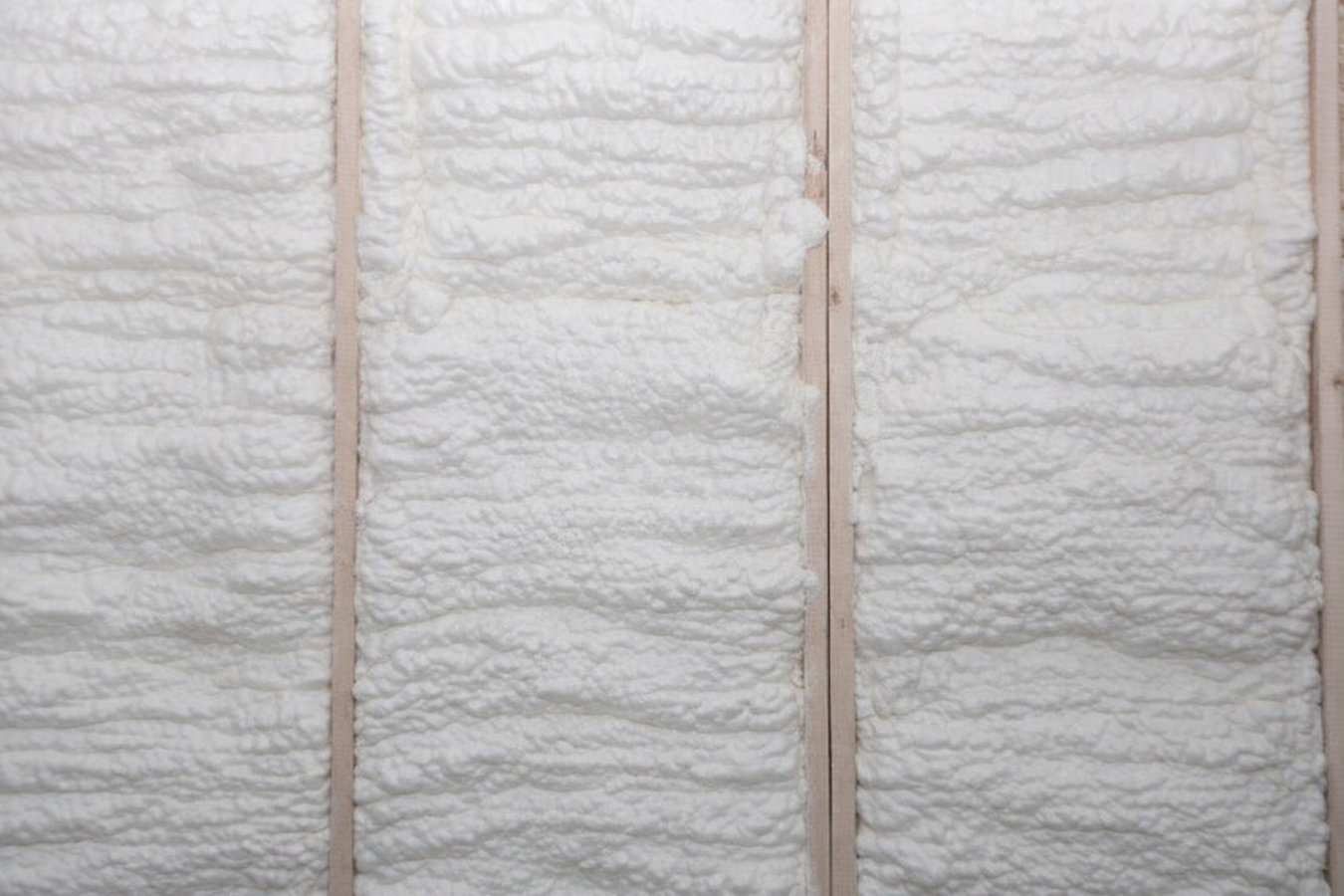
Older Wichita Falls homes lose cool air through dozens of hidden gaps. Open-cell foam fills and seals everything in one pass, so your AC finally gets ahead of the summer heat.
Open-cell foam insulation in Wichita Falls is sprayed as a liquid that expands to fill every gap, crack, and cavity - sealing air leaks and insulating at the same time, most jobs completed in one to two days. Unlike fiberglass batts, which slow heat transfer but do nothing for air movement, open-cell foam creates a continuous seal from the moment it cures.
If your home was built before 1990, the insulation currently in your attic or walls was installed under standards that would be considered inadequate today. The gaps around wiring, plumbing, and framing have likely never been sealed, which means your air conditioner is competing against a building envelope that is working against it. Open-cell foam addresses both problems in a single application. For homes where moisture management is an additional concern, our spray foam insulation page covers how open-cell and closed-cell options compare so you can choose the right fit for your home.
The U.S. Department of Energy recognizes spray foam as one of the most effective insulation methods for existing homes precisely because it addresses air leakage and thermal resistance together. For Wichita Falls homeowners dealing with 100-degree summers and cold fronts that arrive fast, that dual function matters more than it does in milder climates.
If your electric bill climbs sharply from June through September and your HVAC system runs almost constantly, your home is likely losing conditioned air through gaps and under-insulated areas. In Wichita Falls, where summer temperatures routinely push past 100 degrees, a poorly sealed home forces your air conditioner to work twice as hard as it should. That cost shows up on your bill every month until the problem is fixed.
If one bedroom is always stuffy in summer or one corner of the house is drafty in winter, that is a sign of uneven insulation or air leakage in that part of the home. This is especially common in older Wichita Falls homes where additions were built at different times with different materials. A contractor can usually identify the problem area quickly during a walkthrough.
Hold your hand near an electrical outlet on an exterior wall on a windy day. If you feel air movement, outside air is getting in through the wall cavity. Wichita Falls sits on the southern edge of the Rolling Plains, where wind pressure makes this test easy to run. This kind of air infiltration adds up to real money over a year even when it is invisible on your utility bill as a line item.
Homes built in Wichita Falls before 1990 were constructed under energy codes that would be considered inadequate today. If you have never had insulation work done, there is a strong chance you are losing energy through walls and attic spaces that were never properly sealed. An assessment with most local contractors costs nothing and often reveals straightforward fixes that pay back quickly.
We apply open-cell spray foam to attics, walls, and crawl spaces across Wichita Falls and the surrounding region. Every installation starts with a thorough walkthrough to confirm what is currently in place, where the biggest opportunities are, and whether any moisture or structural issues need to be addressed before foam goes in. The written estimate you receive before work begins spells out the area, product, thickness, and total price - no surprises.
For homes where the attic is the main concern, open-cell foam can be applied to either the attic floor, which keeps the attic itself as a ventilated buffer, or to the underside of the roof deck, which brings the attic into the conditioned space and eliminates the duct-in-hot-attic problem common in older Wichita Falls homes. Choosing the right approach depends on where your ductwork runs and how your HVAC system is set up. We also offer attic air sealing as a standalone service for homeowners who want to seal gaps without a full foam application, and full spray foam insulation packages for homeowners doing a comprehensive upgrade.
Every job includes a post-installation walkthrough so you can see the coverage before we leave and ask questions while the crew is still on-site. You also receive written documentation of the product used and the thickness applied.
Homes where the attic is ventilated and the goal is to stop heat gain through the ceiling into the living space below.
Homes with ducts in the attic, where bringing the attic into the conditioned envelope reduces duct heat gain and system strain.
Existing homes with empty or under-filled wall cavities that need both insulation and air sealing in a single step.
Homes with unconditioned crawl spaces where moisture and air infiltration from below are contributing to comfort and energy problems.
Wichita Falls sits on the southern edge of the Rolling Plains in a part of North Texas where summer temperatures regularly exceed 100 degrees and winter cold fronts can drop temperatures below freezing within hours. That kind of range puts enormous stress on any home's ability to hold a stable indoor temperature, which is exactly the problem open-cell foam is designed to solve. Homeowners here tend to see faster payback on insulation upgrades than people in milder climates because their HVAC systems work hard for many months of the year.
A significant share of Wichita Falls homes were built in the 1950s through 1980s, well before modern energy codes required adequate air sealing. Wind-driven air infiltration is one of the biggest sources of energy loss in a home on the Rolling Plains, and standard fiberglass insulation does almost nothing to stop it. Open-cell foam's air-sealing properties are especially valuable here because they address wind infiltration directly. Homeowners in areas like Wichita Falls and outlying communities like Gainesville regularly report noticing the difference in how solid and quiet their homes feel after installation.
The Wichita Falls area also sits on expansive clay soils that shrink in dry weather and swell when wet, causing homes to shift slightly over time. That movement can open small gaps in walls, around window frames, and at the sill plate where the house meets the foundation. Open-cell foam's flexibility means it handles minor movement without cracking or pulling away from framing, which makes it a practical choice for homes that have experienced this kind of settling. Homeowners in Lawton, OK and other service areas where clay soils are common ask about this regularly, and the answer is consistently favorable for open-cell foam.
We reply within one business day. You will be asked a few basic questions about your home's age, the areas you want insulated, and any comfort problems you have noticed. No commitment required, and there is no sales pitch attached to the first conversation.
We walk through your attic, walls, or crawl space, measure the area, and note anything that should be addressed before foam goes in. You receive a written estimate that spells out the product, thickness, and total price before any work is scheduled.
You and your family, including pets, will need to be out of the home during the spray and for at least 24 hours after. Your contractor will give you the specific re-entry time in writing. Most prep involves clearing access to the work area.
The crew applies the foam in passes until the specified thickness is reached, then walks you through the finished work before leaving. You receive written documentation of the product used and the coverage completed. If anything looks off, this is the time to raise it.
Free written estimate. No obligation. We reply within one business day.
(940) 298-1772Our crews have spent years applying spray foam in Wichita Falls homes, so you can ask for local references before you hire. We walk you through the finished work on every job, so you always know what was done and where.
The Spray Polyurethane Foam Alliance sets the installation standards our crews follow for mix ratio, thickness passes, and safe re-entry timing. Following those standards means your foam performs as advertised and your family returns to a safe home.
A large share of the homes we work on were built between the 1950s and 1980s, decades before modern energy codes. We know how these homes are framed, where the gaps tend to hide, and how to work around original plumbing and wiring without damaging it.
Every project starts with a written estimate and ends with written documentation of what was applied and where. You know exactly what you paid for, and you have paperwork to support any warranty, tax credit, or insurance claim that comes up later.
Wichita Falls is a working city where homeowners have real stakes in the decisions they make about their houses. We show up, do the work to the standard we agreed on, walk you through it before we leave, and give you documentation you can actually use. That is the whole job, and we take it seriously.
For installation standards and re-entry guidelines, see the Spray Polyurethane Foam Alliance (SPFA). For permit requirements in Wichita Falls, contact the City of Wichita Falls Development Services.
Pair open-cell foam with dedicated attic air sealing to close the gaps around recessed lights and top plates that foam alone may not fully reach.
Learn moreLearn about both open-cell and closed-cell spray foam options and which type of project each one is best suited for.
Learn moreWichita Falls summers are long. The sooner your home is properly sealed, the sooner your cooling bills reflect it. Call us or submit a request and we will be in touch within one business day.